
Palace
Palazzo Passionei - Paciotti
Description
Palazzo Passionei-Paciotti is one of the most significant examples of Renaissance civic architecture in the city.
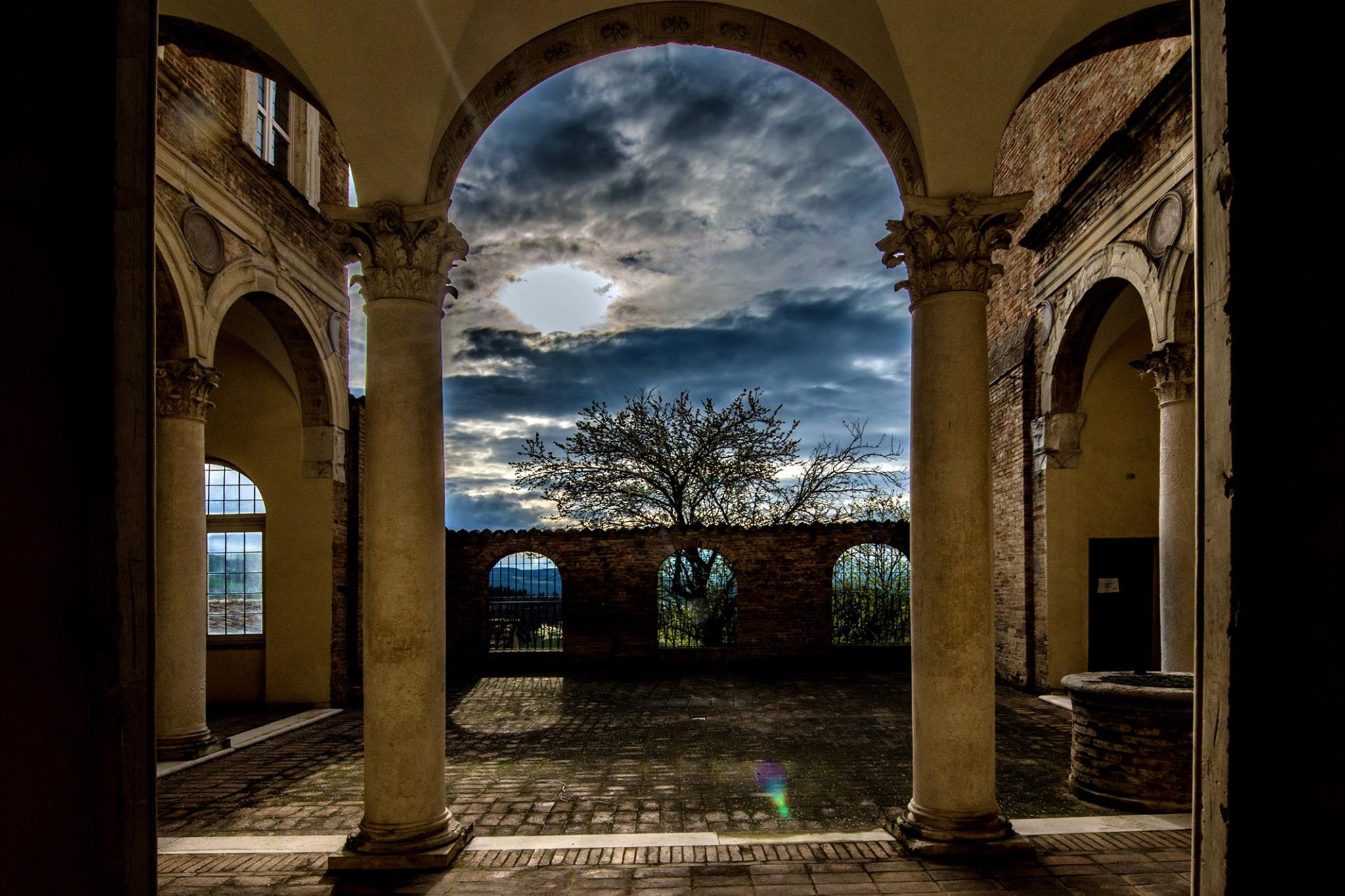
In the 15th century, the building was owned by the Bandi family, who sold it to the Passionei family in the 1470s. Thanks to their close ties with the ducal court of the Montefeltro, the Passionei commissioned the renovation work to the same craftsmen involved in the construction of the Ducal Palace. The original architectural design is attributed to Luciano Laurana, while later interventions were carried out by Francesco di Giorgio Martini and his collaborator Giacomo Cozzarelli. These works gave the building a harmonious and monumental appearance, featuring an elegant hanging courtyard that opens onto the surrounding landscape—an element typical of Urbino’s architectural style.
By the mid-16th century, the palace became the property of the Paciotti family, who introduced further modifications. In 1841, the building was converted into a women’s conservatory, marking a significant shift in its use.
In the 20th century, the palace was restored by architect Giancarlo De Carlo, who carefully recovered its historical structure while preserving its original identity. Today, it houses the Carlo and Marise Bo Foundation and serves as a major cultural hub in the city, hosting exhibitions, conferences, and scholarly events.