Sinagoga
Description
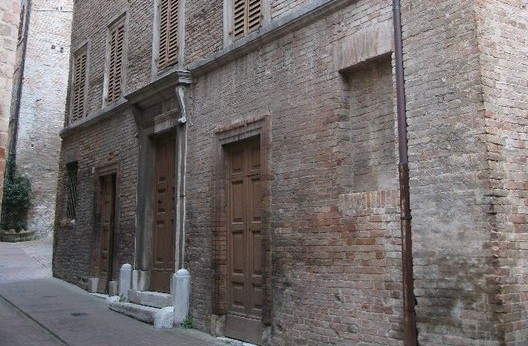
The Synagogue of Urbino, built between 1633 and 1634, is a rare testament to the city's historic Jewish community and holds great historical and cultural significance. The building follows the traditional synagogue layout, with features unique to the local context and period. The discreet, understated façade has three entrances: the central one for men, the right for women, and the third for practical purposes, such as access to the communal oven and well—essential elements of daily life. A symbolic detail is the presence of intentionally broken bricks, referencing the destruction of the Temple in Jerusalem, a central event in Jewish history and memory.
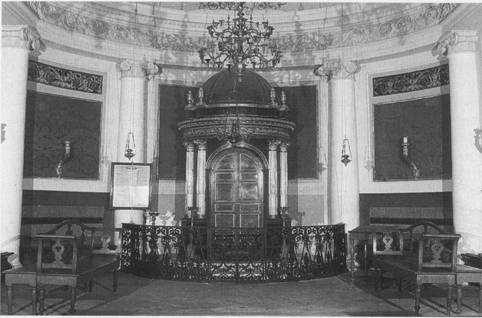
In the 19th century, the synagogue underwent a Neoclassical renovation, giving it a more restrained appearance aligned with the tastes of the time. Though it is no longer used for worship, the building remains a vital site of memory and a symbol of Jewish presence in Urbino. Its simple yet meaningful architecture tells a story of integration, identity, and cultural continuity.