Monument
Palazzo Ducale
Description
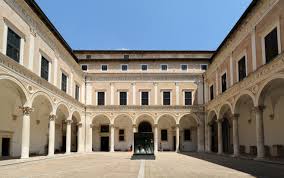
A symbol of the city, the Palazzo Ducale of Urbino is one of the pinnacles of Italian Renaissance architecture. Built at the behest of Federico da Montefeltro, lord of Urbino, military leader, and great patron of the arts, the palace was meant to reflect his dual nature: powerful and cultured, warrior and humanist. Located at the top of the hill that overlooks the city, the complex was designed by Luciano Laurana and completed by Francesco di Giorgio Martini. Their work blends medieval elements with Renaissance forms, creating a refined and sober architecture perfectly integrated into the landscape.
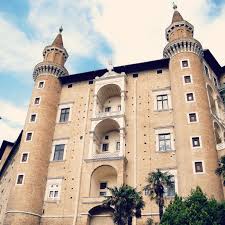
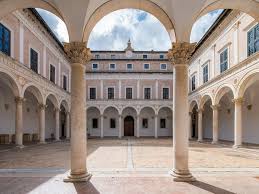
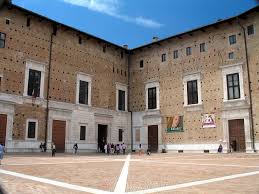
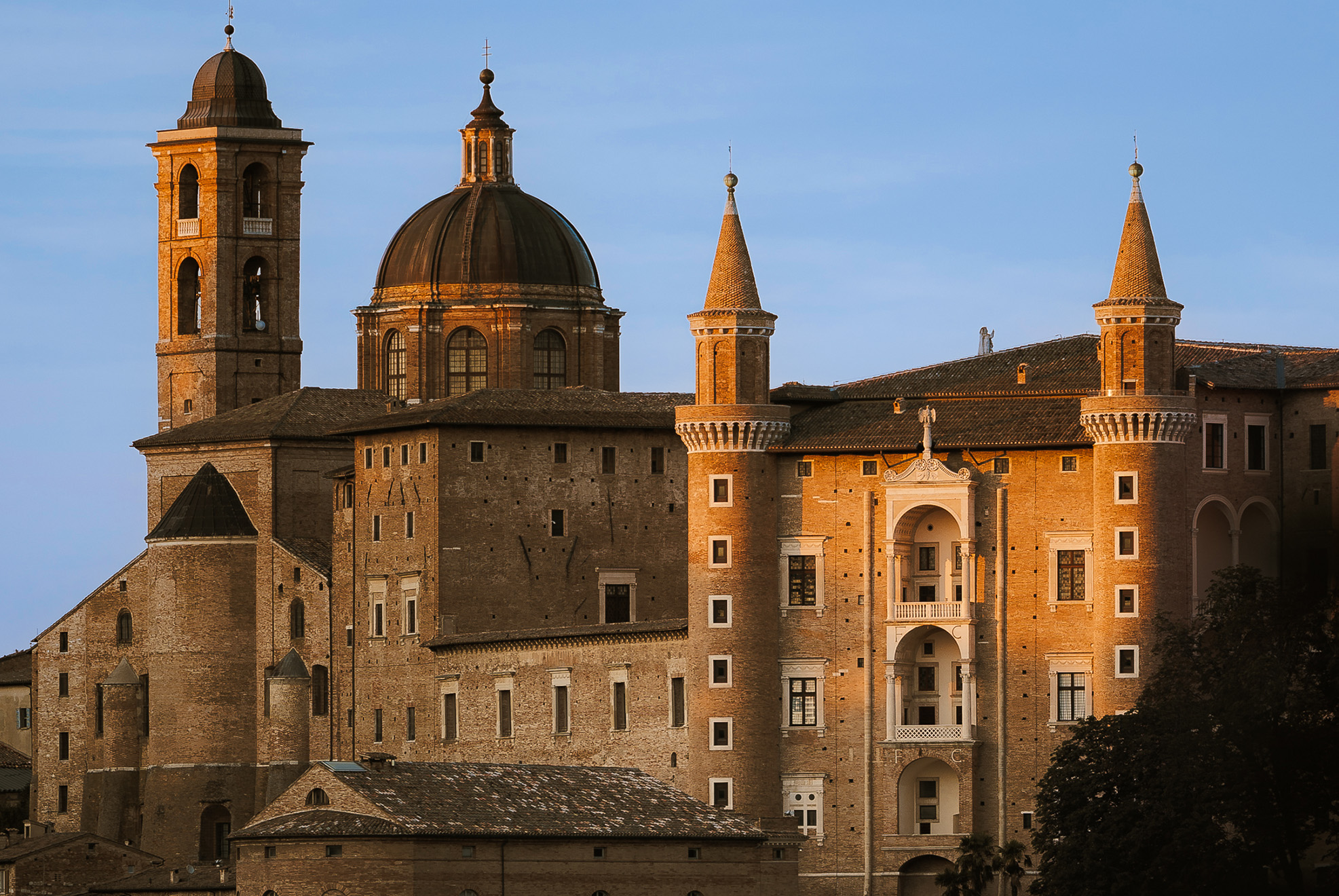
The heart of the palace is the courtyard of honor, around which the rooms dedicated to governance and culture are distributed. The rear façade, overlooking the Marche hills, with its twin towers, is one of the most iconic images of the Renaissance. Nothing is left to chance: light, space, and position all align with an idea of harmony between man, art, and nature.
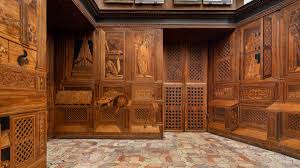
Inside, the palace holds decorations, frescoes, and furnishings that showcase the high cultural level of the court. A prime example of this vision is Federico's Studiolo, a room inlaid with precious wood that reflects the duke's soul: the wooden panels depict books, musical instruments, weapons, and symbolic objects in an illusionistic play that celebrates knowledge and contemplation.
Today, the palace houses the Galleria Nazionale delle Marche, with masterpieces such as Piero della Francesca's Flagellation of Christ, works by Raphael, Titian, and other masters. Visiting this place means entering the heart of Italian Renaissance and experiencing the vision of a prince who made art his most enduring legacy.